Bad Lighting Costs More Professionalism Than You Realize
snaptosuit · July 28, 2026
Suppose two photos show the same person on the same day. Same face, same shirt, same friendly expression. In one image the person looks alert, open, and approachable. In the other they look tired, a little standoffish, almost as if they were in a bad mood. The only difference between the two shots is the light. Nothing else.
That is the quiet power of lighting. It doesn't decide who appears in the picture, but how that person comes across to others. And that is precisely what makes it so dangerous. Because bad light doesn't ruin a photo in any obvious way. It just makes it a little worse, a little less flattering, a little less credible. And that little bit adds up to an impression nobody can name but everybody feels.
Light shapes faces, not just images
Our brain reads faces through light and shadow. Where shadows fall, the eye assumes depressions. Where light lands, it sees ridges. That is exactly how you recognise shapes, expressions, moods. Change the light, and the perceived shape of a face changes with it. And with it, the message the face sends.
Think of the classic office ceiling light. It shines from above, straight down. That creates shadows in the eye sockets and under the nose. The result quickly looks harsh, tired, sometimes even menacing. We know this effect from horror films, where someone holds a flashlight under their chin. The same principle, merely inverted, turns a likeable colleague into someone who looks exhausted. Nobody consciously thinks about the lamp. Everyone just sees the result.
Backlight is just as treacherous. When someone sits with a window behind them, the face goes dark and the surroundings go bright. The eye can barely make out any features, the person half disappears into a silhouette. Images like these feel distant and anonymous, even though the person is looking straight into the camera. The light has made them invisible.
The invisible cost of the wrong lighting
The damage from bad light is so insidious precisely because it is never pinned down correctly. A client who sees a portrait that is too dark and harshly lit doesn't think, ah, the lighting here is off. They think, this person seems somehow unlikeable. Or not very professional. Or simply unapproachable. The verdict lands on the person, not the lamp. And that is deeply unfair.
Do the math on what that means day to day. A salesperson with a badly lit photo starts every first conversation with a small deduction in likeability they can never account for. A consultant with a harsh ceiling-light photo comes across cooler than she is. A whole team whose pictures were taken in pale, unflattering light seems less inviting overall. No single effect is large. But they add up, image by image, conversation by conversation.
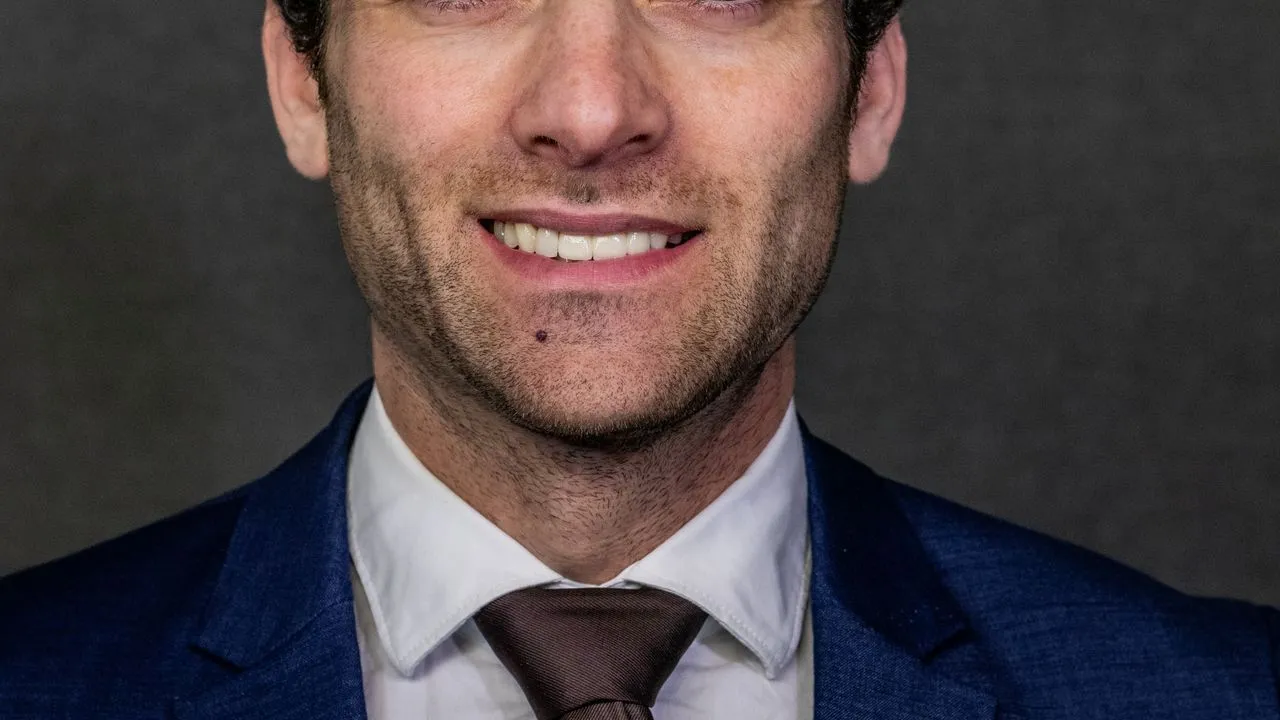
The reverse holds just as much. A face in soft, even light automatically looks warmer, more open, and more competent. It is the same person, but they start with a small plus. In a world where first impressions are decided in seconds, that plus is worth hard cash.
Why good light used to be manual labour
There is a reason professional photographers invest so much effort in light. Softboxes, reflectors, several lamps from different angles. Good portrait light is anything but a given. It has to be soft so the shadows fall gently. It should come slightly from the side and a bit from above, so the face looks three-dimensional without turning harsh. And it has to be even, so no half of the image sinks into darkness.
These conditions almost never arise on their own in a normal office. The ceiling light is too harsh and comes from the wrong direction. The window light changes with the weather and the time of day. The desk lamp throws one-sided shadows. Anyone who simply photographs themselves at their desk leaves the most important thing to chance. And chance rarely means well by faces.
This is exactly where the hurdle used to lie. Good light meant a photo session, a studio, a whole kit of equipment. For a single consistent team photo, half the staff had to show up for an appointment, and even then every image looked a little different the moment the setup shifted in between.
What to watch for when you shoot it yourself
If you want to improve a photo without much equipment, the first thing to do is turn the person toward the window, not with their back to it. Soft daylight from the front or slightly from the side is the most flattering light there is, and it costs nothing. Switch off the harsh ceiling lamp if you can, so it doesn't cast shadows into the eye sockets. Avoid direct, pinpoint light sources that make one half of the face glaring and the other dark.
Also treat an overcast sky as a secret ally. A closed cloud cover works like a giant softbox and delivers exactly the soft, even light that makes faces look friendly. Bright sunshine, by contrast, produces harsh shadows and squinting eyes. The best portrait light is often the one you find outdoors on a grey day.
Even so, the truth remains that evenly good light is hard to produce by hand for an entire team. One person sits by the bright window, another in the dark corner, yet another in backlight. This is exactly the problem that modern, studio-free methods solve today in a way that used to be possible only in a studio. They pull a soft, consistent portrait light even out of poorly lit source photos. Bad lighting costs you professionalism that nobody hands back. It pays to take the light more seriously than the face suggests at first glance.