A Passport-Photo Look on Your Website Makes Your Company Look Smaller
snaptosuit · July 26, 2026
There is a moment when visitors make a decision about you long before they have read your first sentence. They see the faces. And if those faces look as though they came fresh out of the photo booth at the train station, something quiet and fatal happens. Your company gets a little smaller in their minds.
That sounds harsh, but it is easy to observe. A passport photo is pure documentation. Front on, expressionless, gray background, hard light from above. It proves you exist, and nothing more. That very proof-of-existence character is the problem, because trust does not grow from proof, it grows from presence. Anyone who encounters you wants to feel that behind the company stand people who know what they are doing. An ID photo says the opposite. It says: something got ticked off here.
Why the eye mistakes tightness for meaning
Our brain reads images in milliseconds and draws conclusions we would never consciously put into words. A tight crop that cuts off right at the head creates tightness in the literal sense. No room above the head, no shoulders showing presence, no background giving context. That tightness transfers onto how we perceive the sender. A person without room looks boxed in, and a company full of boxed-in people looks small, uncertain and improvised.
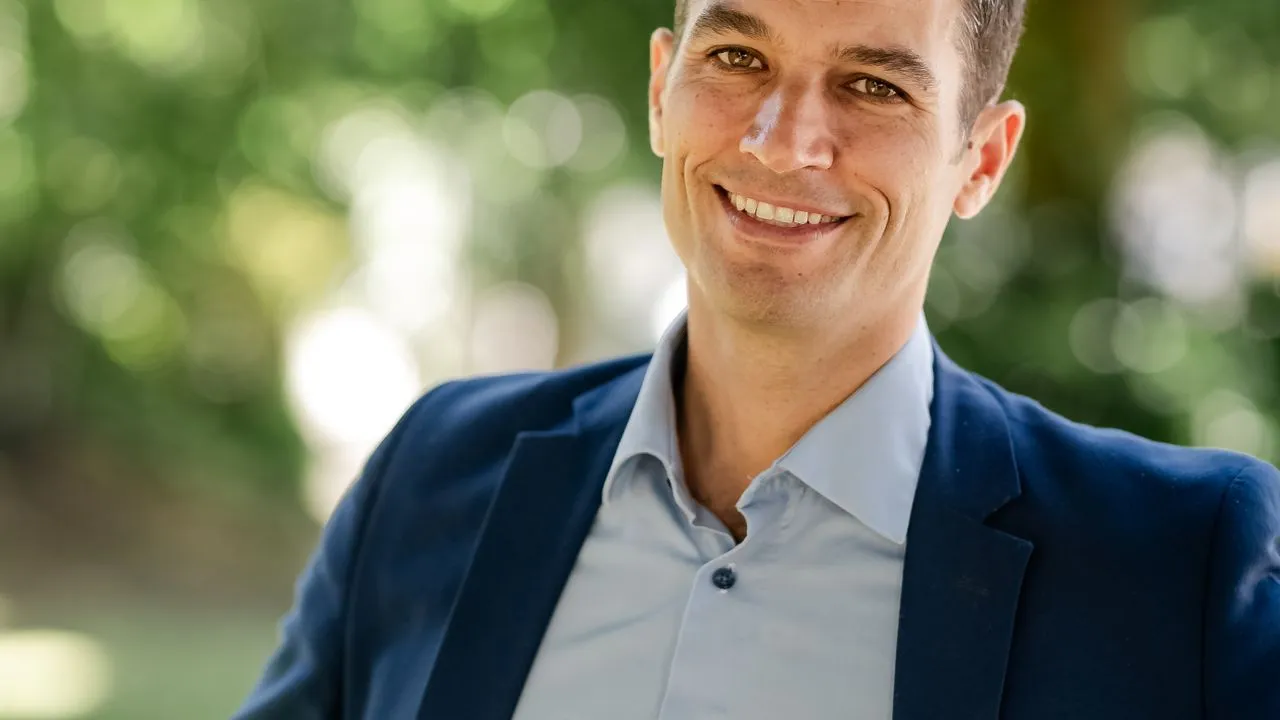
Picture two team pages side by side. On one, twelve passport shots stare back at you, each with a different background, some too dark, some overexposed, one clearly cropped from last winter's ski trip. On the other, you see twelve portraits with air, with calm light, with a shared visual language. The second company automatically appears larger and more established, even though both may employ the same number of people. The difference does not lie in the number of heads. It lies in the space around the heads.
The quiet signal of the crop
Photographers talk about headroom, the distance between the head and the top edge of the frame, and about how the shoulders are cropped. These are not beauty details. They are signals. Anyone showing shoulders in the picture shows solid footing. Anyone with room above them looks assured, because the eye equates space with possibility. Passport photos deny both. They are cropped so tightly that every person looks like a catalog entry, interchangeable and flat.
Then there is the line of the gaze. In an ID photo you stare straight into the lens, because a government office requires it so software can compare faces. On a website, that same gaze feels almost confrontational. A slightly turned body, a head that tilts gently toward the camera, and suddenly you get closeness instead of interrogation. These subtleties cost nothing extra in the booth. They are simply missing there, because they were never part of the plan.
What customers really read from the images
When choosing a service provider, people rarely start with the price list. They ask themselves whether they want to entrust these people with a project, their money or their data. The team page is often the most honest part of the whole website, because there it is not the offer speaking, but the people behind it. And of all places, right there passport photos read like a confession that nobody bothered.
I have seen a consulting firm lift its close rate noticeably without changing a single word of the copy. They only swapped the images. Before, pure ID-photo look, afterward calm, consistent portraits with air and warm light. In conversations, prospects said the firm now came across as more established. Nothing about the competence had changed. Only the first impression was no longer that of a government counter.
How to turn documents back into people
The way back is unspectacular but effective. Give every portrait room. Allow shoulders, leave space above the head, turn the body slightly off axis. Unify light and background so the faces together form a family rather than a collection of coincidences. Make sure everyone appears at the same eye level and with the same crop, because consistency is the quiet proof of care.
And dare to allow expression. A person who smiles a little, or at least looks alert and open, sells trust better than any glossy pose. Passport photos forbid exactly that, because they have to be neutral. Your website does not. It may, in fact it should, come across as warm and confident.
In the end, the question is not whether you can afford expensive studio days. The question is whether you can afford to look smaller than you are. Modern, studio-free approaches now deliver portraits with real room and calm light, without anyone having to juggle an appointment. Whoever takes that step wins no beauty prizes. They win something more sober and more valuable, namely the right size in the mind of the person across from them.