Medtech Companies: Make Your Expertise Visible Without Looking Sterile
snaptosuit · May 23, 2026
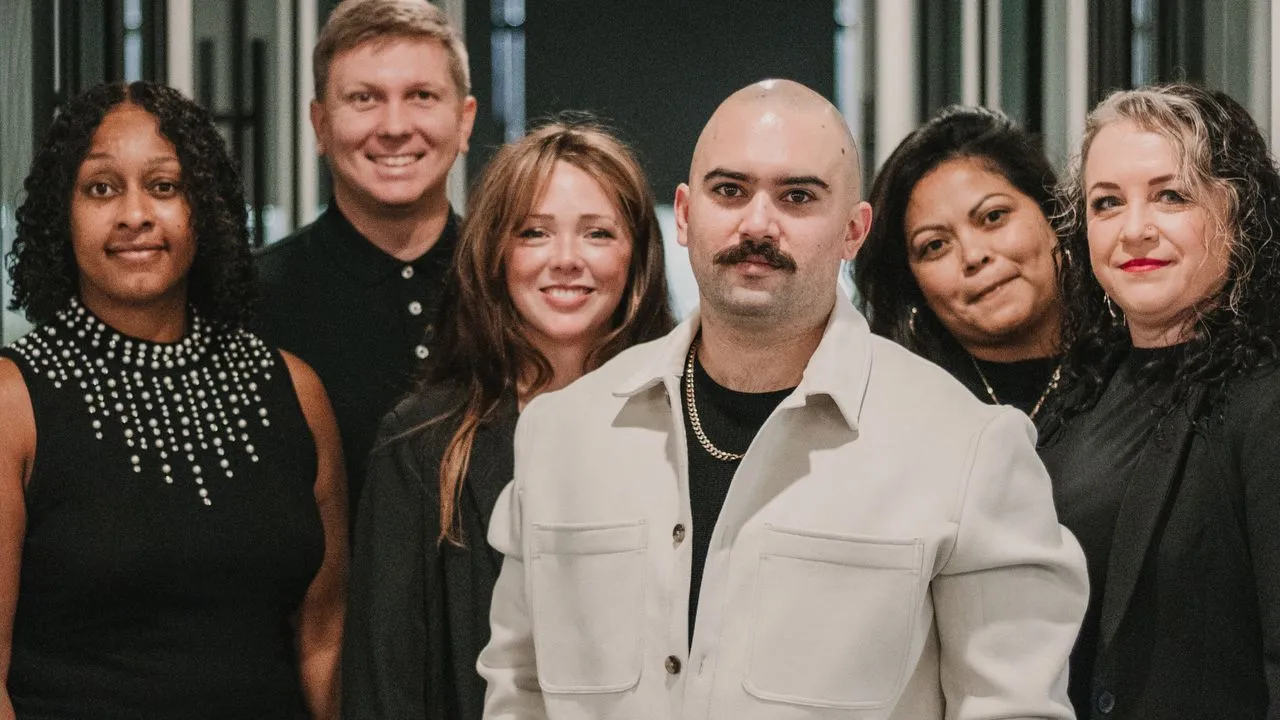
A procurement lead at a hospital is evaluating a new supplier for implants. It is about patient safety, certifications, a partnership that lasts years. They open your website. And what do they see? A rendering of a device, an empty production hall, a cleanroom without people, plus plenty of blue and even more jargon. All correct, all high quality, and yet the crucial thing is missing. They see not a single face of the people who develop, test, and stand behind this technology.
Medtech has a peculiar problem. You work on products that demand the highest precision and trust, and precisely for that reason you tend to banish everything human from your presence. The thinking behind it is understandable: we are serious, so we show technology, not people. But in doing so you throw away your strongest resource. Because behind every regulated product stand sharp, credible people, and those are exactly who the other side wants to see.
Regulated Technology Still Needs Human Faces
In your industry, nobody buys on gut feeling. Hospitals, procurement committees, specialist distributors decide on hard criteria. But do not underestimate what tips the scales in the end. Between two suppliers with comparable approval and a similar price, trust in the organization behind the product decides. And trust in an organization is built through the people you associate with it.
Think of a surgeon who is meant to use your product in the operating room. She places responsibility for the patient in your technology. Before she does, she wants to feel that competent minds stand behind the device, people who know what they are doing. A photo of the head of development, whose experience shows in her face, works harder here than any datasheet. It turns an anonymous manufacturer into a tangible partner.
Faces matter in the regulatory arena too. When your quality or regulatory leads are visible, that signals reliability. The client sees that real experts vouch for meeting the standards, not an abstract acronym in the fine print. In a world of audits and documentation, a credible face is a surprisingly effective argument.
The Line Between Competence and Coldness
Your biggest risk in a photo is sterility. I mean that in two senses. Cleanliness is part of who you are, of course. But in photos it often flips into coldness. People in lab coats, under harsh light, in front of gray metal, with serious expressions. Such images feel distant and a little unapproachable, almost as if you did not want to let anyone near you. For an industry that aims to improve lives, that is a strange signal.
The better path shows competence and warmth at the same time. Your engineer can look smart and focused and still human. An open gaze, a natural posture, an expression that combines expertise with accessibility. That takes nothing away from the seriousness of the technology, on the contrary. It shows that people with judgment stand behind the precision, and that builds more trust than any extra standard in the brochure.
This balance does not happen by chance in the cleanroom between two meetings. It needs an image that is deliberately composed: the right crop, light that flatters the face instead of hardening it, a background that looks professional without being chilly. You do not have to overdo the friendliness. You just have to show that your experts are people you would gladly sit across from.
Where the Specialist World Meets the Talent Market
Your faces work on two fronts at once. On one side, they win over clients and partners. On the other, they help decide your ability to attract talent. Medtech competes fiercely for engineers, regulatory experts, clinical specialists. These people scrutinize a potential employer just as your clients scrutinize you. And they look at the people they would be working with.
A website that shows only devices comes across to applicants as a company where you become just another component. But if you show a real, professional team, you create the impression of a place where sharp minds come together and get seen. For highly qualified specialists who could sign anywhere, that impression is a real advantage in the race for the best.
A consistent visual presence across all departments reinforces this. When development, regulatory, sales, and manufacturing appear in the same visual language, your company looks like a thoughtfully designed whole. A patchwork of different photo styles, by contrast, makes even a cutting-edge firm look disorganized, and that sits badly with an industry that stands for precision.
Why Your Team Is Often Missing From the Photos
There is a very practical reason your people are rarely visible. A joint photo shoot is hard to organize in a medtech company. Your experts sit in development, production, regulatory affairs, sales, often across different sites and sometimes in several countries. Some are rarely at headquarters, others are constantly with clients or at conferences. Getting them all in front of a camera at the same time borders on impossible.
Add to that the movement within the team. You are growing, you recruit specialists, people change roles or projects. A set of images you once produced at great effort is already out of date a year later. Because reshooting is a hassle, it gets left undone, and so in the end the anonymous device photo wins out again, simply because it needs no appointment.
That is why it is worth looking at modern, studio-free solutions. Today you can turn a simple selfie into a professional, consistent staff photo, with no studio appointment and no one traveling from one site to another. The new regulatory specialist at another location sends a phone snapshot and appears shortly after in the same style as the whole team. That way you can finally show your expertise, with real faces, current and unified. So that the hospital buyer sees not just your device, but the people they can trust with it.