Free Profile Photos Often Cost Companies More Than They Think
snaptosuit · August 14, 2026

There is a sentence that gets said in almost every company sooner or later. Just take a selfie, it costs nothing. And it is even true, as long as you only look at the invoice. No photographer, no studio, no budget. The photo is free in the sense that nobody triggers a payment for it. But this is exactly where a mix-up begins that ends up costing many companies dearly. They confuse free of charge with free of cost.
A photo you pay nothing for is not the same as a photo that costs you nothing. The price simply does not appear on the invoice. It shows up elsewhere. In the time someone spends searching and reshooting. In the impression a weak image leaves on customers. And in the opportunities that quietly slip away because your presence failed to convince. Nobody sees these costs, but everyone carries them.
The Bill That Appears Nowhere
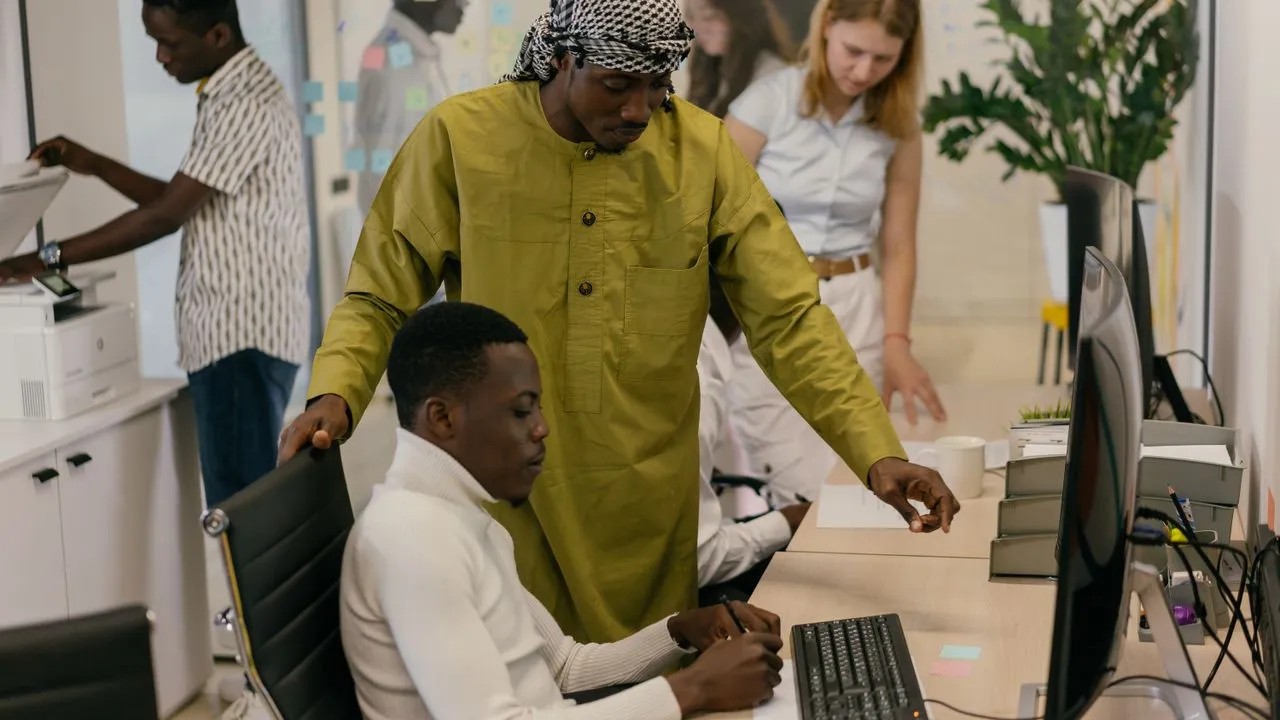
Let us actually run the numbers, coldly. One person takes a selfie for their profile. The light is off, so a second attempt. Still crooked, a third. Then they ask a colleague for advice, who takes a look and suggests a different angle. More attempts. Eventually an image lands in a chat, someone crops it, someone uploads it. Twenty minutes here, thirty there. Invisible for one person. For forty people, a full working day that nobody books as a cost.
This time is real and it does get paid, namely through salaries. The only difference from a photographer is that the expense is scattered. It spreads across many small moments and therefore slips through every net. An amount that appeared on an invoice would be discussed. The same amount, spread across forty calendars, is never noticed. So the photo was only free for accounting.
And that is just the production. The bigger item comes afterwards, in the impact.
What a Weak Image Does Out in the World
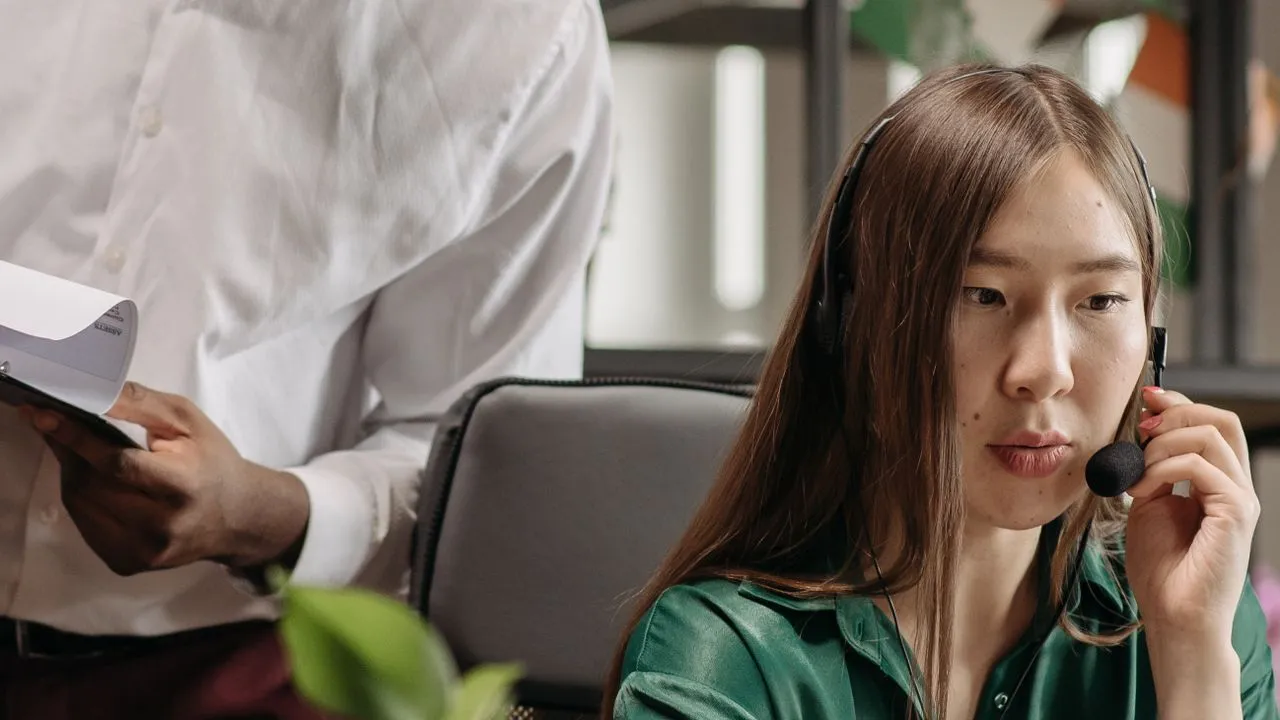
Picture two companies competing for the same customer. Both are strong professionally, both have fair prices. The customer visits both websites, because they want to form a picture, quite literally. On one, clear, calm portraits look back at them, all of a piece. On the other, a patchwork of selfies, some too dark, some blurred, one obviously cropped out of a holiday snapshot. The customer could never explain it. But they will feel more confident about the first.
That feeling decides things more often than we would like. People justify their choice afterwards with practical arguments, but they make it in the moment on trust. And trust is built from many small signals, of which the photo is one of the strongest and earliest. A weak image does not cost you the one big deal. It costs you the many small times when someone narrowly decides against you and never says why.
That is exactly what makes these costs so treacherous. A lost deal from a bad offer gets noticed. A lost deal from a weak first impression never gets noticed, because the customer simply does not come back. You never learn that it was down to how you presented yourself. The bill gets paid, you just never see it.
The Myth of the One-Off Effort
Many people think a photo is a one-off matter. Done once, sorted for years. In truth, an employee photo is more like a business card in circulation a thousand times over. It sits in the signature under every email that goes out. It accompanies every comment in a professional network. It appears next to every proposal, in every presentation, on every conference badge. A single image gets seen countless times over the years.
If that one image is weak, the weakness multiplies with every one of those occasions. A selfie that feels free is therefore not a one-off small compromise. It is a small compromise that repeats itself a thousandfold. That changes the calculation fundamentally. Something you show a thousand times should not be judged by the effort of a single minute.
The reverse is true too, which is exactly why the investment pays off most here. Because a good image does not work once, it works again and again. The effort happens once, the benefit accrues a thousand times. Hardly any other outlay in a company has such a lopsided ratio in its favour.
What Free Really Means
So there is no wrong impression. A selfie is not inherently bad, and not every company needs a glossy studio. This is about honesty in the accounting. Anyone who says this costs nothing should add where it gets paid instead. In working hours, in impact, in missed opportunities. Only then can you actually decide whether it is worth it.
Often the honest answer is that the supposedly expensive solution turns out to be cheaper in the end. Not because the image is prettier, but because it lowers the hidden costs. Less wasted time, stronger impact, fewer quietly lost customers. What looks more expensive on the invoice can be considerably cheaper in the overall reckoning.
And this is where the conditions have shifted. Modern, studio-free approaches now deliver consistent, professional portraits without anyone blocking out an appointment or a photographer touring the building. That removes the old either-or. You no longer have to choose between cheap and good. You just have to stop confusing a selfie with free, because that is exactly what it never was.