The first glance at your website often decides emotionally
snaptosuit · August 19, 2026

Someone opens your website. Before they read the first sentence, before they understand what you even offer, they have already judged. Not consciously, not with arguments, but with a feeling. Likeable or not. Serious or shady. Do I stay or do I click away. That decision falls faster than you can blink, and it almost always falls in the gut, not in the head.
Studies on this effect show astonishing numbers. The first impression of a page forms in a fraction of a second, at a speed that rules out any rational scrutiny. In that span, no one can read your text. They can only absorb an overall impression, a gut feeling, a mood. And that mood decides whether anyone even stays to read your clever words.
The feeling comes before the understanding
Our brain works in a certain order. First comes the fast, emotional assessment. After that, far more slowly, comes conscious reasoning. When entering a website, the fast system takes hold first. It scans colours, shapes, faces and a diffuse sense of order or disorder. Only when this system gives the green light does the slow, reading kind of thinking switch on at all.
That means something uncomfortable. You can have the most convincing arguments in the world on your page, perfectly phrased, watertight in their reasoning. If the first emotional impression is off, no one reads them. The visitor is already gone before your first paragraph gets its chance. Rationality loses to feeling, because feeling is simply faster.
And what feeds this feeling. To a large extent, images. Text has to be read, which takes time. An image works instantly, holistically, without the detour through language. That is why the images on your homepage carry a disproportionately large share of the first impression. They speak while the text is still silent.
Why faces are seen first
Among all images, faces hold a special place. Humans are evolutionarily tuned to recognise and evaluate faces in a flash. A baby fixes on faces before it understands anything else. This wiring stays for life. When someone opens a page with a human face on it, the eye almost inevitably travels there first.
That is both a chance and a risk. A warm, open, well-photographed face on your homepage creates a sense of closeness and trust in fractions of a second. The visitor does not think, people work here, they feel it. A stiff, badly lit or obviously cheap stock photo, by contrast, creates the opposite. A quiet distance, a hint of facade. And this mistrust carries over to everything that comes after.
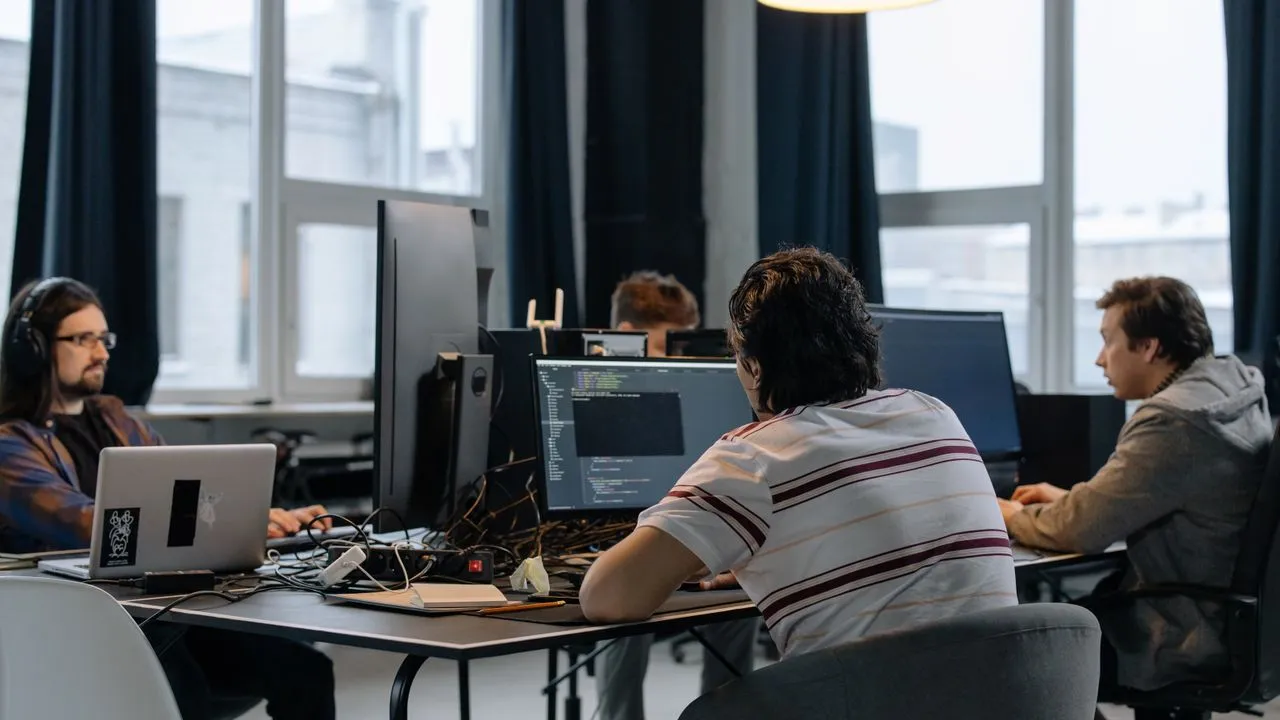
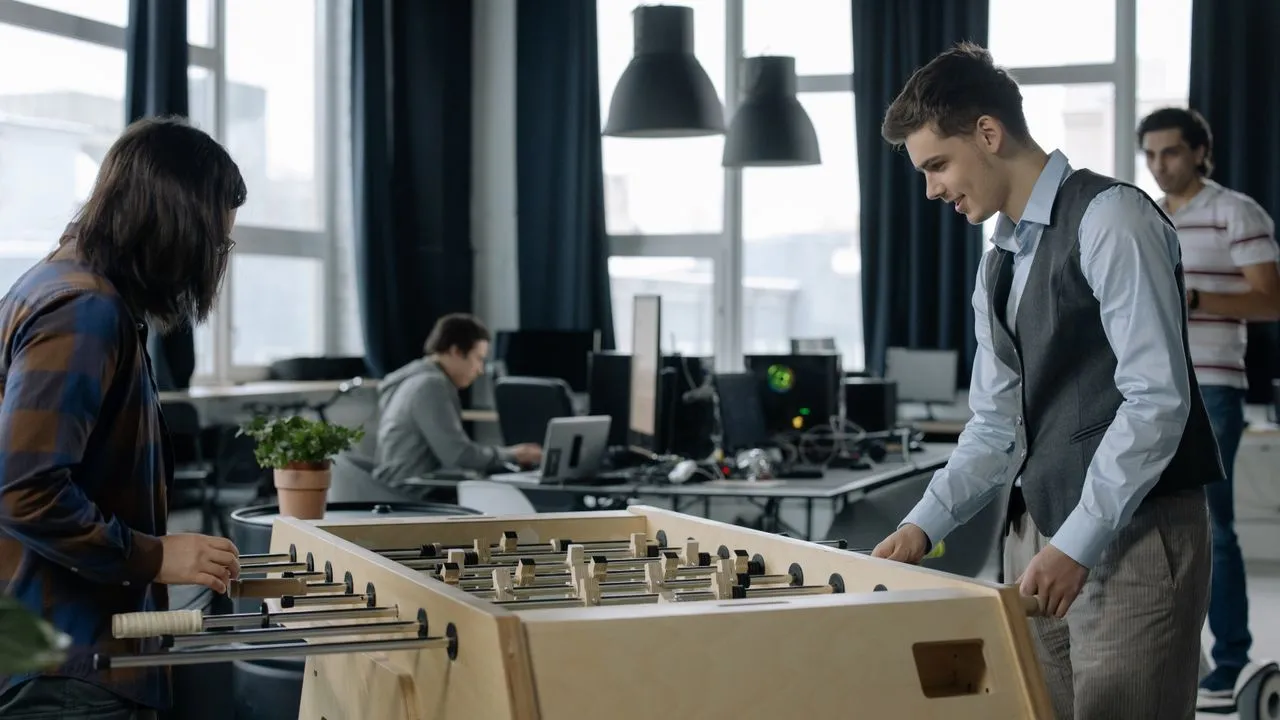
Interchangeable stock images are especially telling. The smiling woman with the headset, the four people in suits shaking hands in front of a glass facade. Many visitors have already seen exactly these images dozens of times on other sites. They recognise them unconsciously, and in that moment the impression tips. If even the people on the page are not real, then what is real. An interchangeable image makes an entire company interchangeable.
What a good first impression really needs
The good news is that you can steer this first impression. It starts with real faces instead of bought strangers. Show the people who actually work with you, and show them in a way that makes them look approachable and competent. A visitor senses the difference between a genuine employee portrait and a generic model instantly, even if they cannot name it. Authenticity creates a trust that no amount of slick photo production can replace.
Then it comes down to calm. A first impression tips into the negative when too much clamours for attention at once. Garish colours, blinking elements, an overloaded layout create stress, and stress is a poor first host. Clear images, a tidy layout and faces with a calm expression, on the other hand, create a sense of composure. The visitor relaxes, and a relaxed visitor stays.
Finally, coherence counts. When the images of your people fit together, in the same light, in the same style, an impression of order and intent emerges. When they look thrown together, everyone different, sometimes sharp, sometimes blurry, sometimes old, sometimes new, an impression of randomness emerges. And randomness is no good first impression for a company you are meant to give money or trust to. The eye reads consistency as competence, without a single word being spoken.
From a fleeting glance to a conscious decision
You must not picture this first impression as a small courtesy you can correct later with good content. It is a gate. Anyone who does not pass it never sees the rest of your page. The best text, the strongest offer, the smartest proof of your competence are useless if the visitor already got a bad feeling in the first half second and moved on.
That is why it is worth taking the visual starting line of your website at least as seriously as the words on it. Not because content does not matter, but because content only comes into its own once the feeling lets it in. The first glance is the gatekeeper function of your page, and that function is fulfilled to a large extent by your images and your faces.
It is easier than ever today to clear this first hurdle well. Modern, studio-free solutions let you show real, high-quality and consistent portraits of your team, without elaborate shoots and without resorting to soulless stock photos. Anyone who takes the first emotional impression seriously wins exactly the second that decides everything else. And that one second is, in the end, the most valuable one on your entire page.