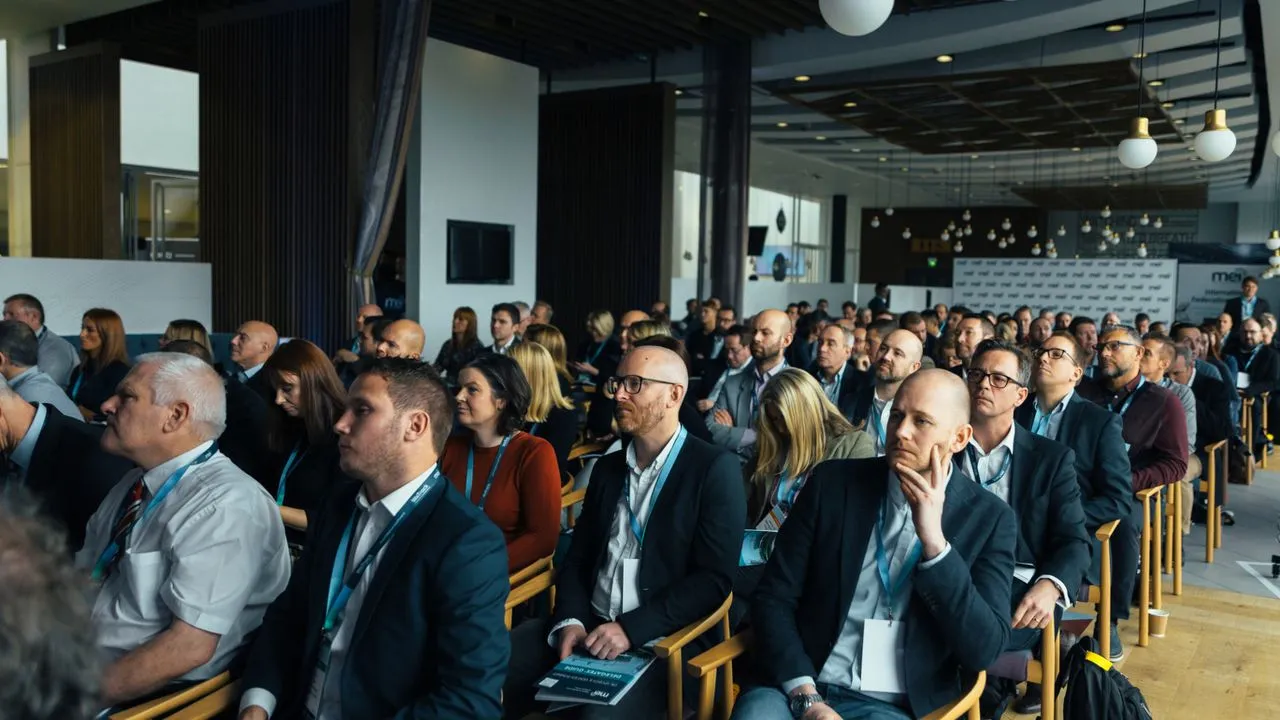
Customer Success Teams: More Closeness Through Real Faces
snaptosuit · June 4, 2026
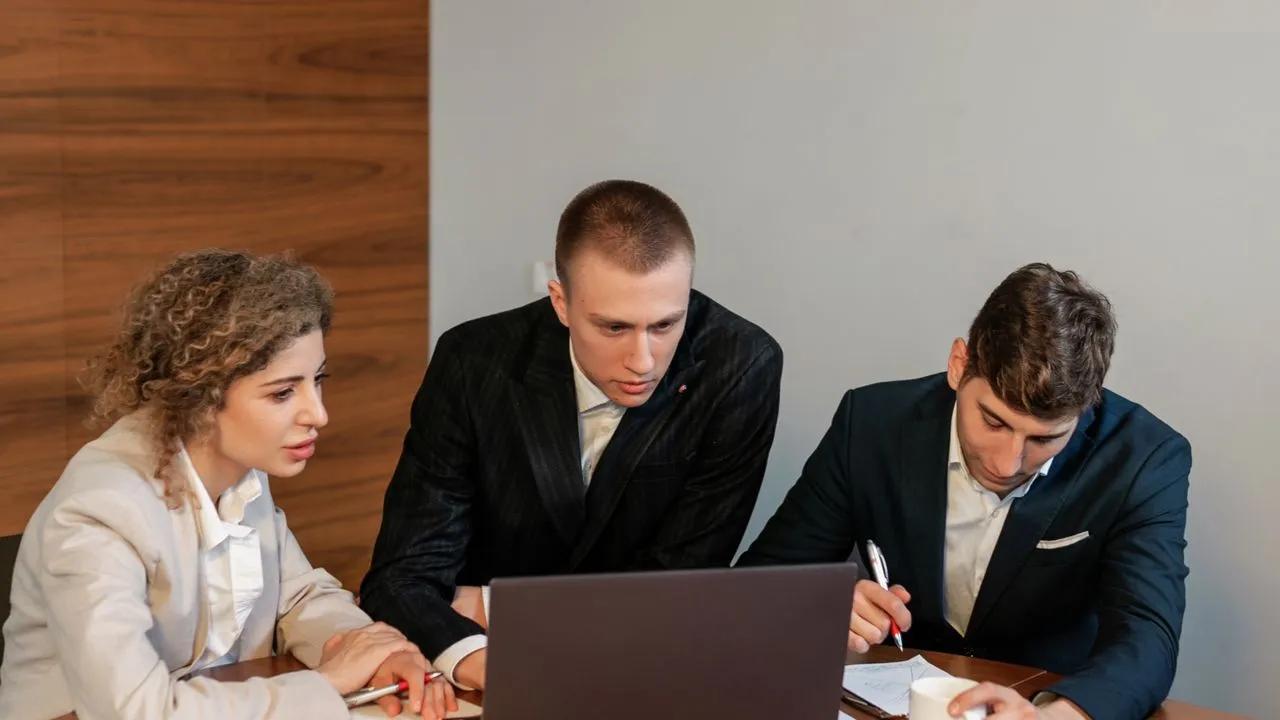
Customer success is the strangest job in the company. You are supposed to build closeness with people you almost never see. The customer you have looked after for eight months knows your voice from two calls and otherwise only your signature. You know when her contract runs out, which feature she is missing, why her boss was sceptical at the last quarterly review. She knows this about you: a name and an email address. This imbalance is the core of your work, and it shows up in the smallest of places, namely where your face should be and grey initials stand instead.
Relationship is your actual product. Not the onboarding, not the reporting, not the renewal. All of that hangs on one precondition, and it is called trust. And building trust in a person you cannot even picture is far harder. A face changes that more than it seems at first glance.
Why a name without a face keeps its distance
Think of the moment a customer needs help and is unsure whether to reach out. Maybe the problem is delicate, maybe she made a mistake herself that she is reluctant to admit. Whether she picks up the phone or writes an evasive email depends on how close you feel to her. An anonymous contact is an authority you write to formally. A person with a face is someone you can also openly tell that something just went wrong.
This is not sentimentality, it is the daily reality of your role. It is precisely in these open moments that the bond forms which keeps a customer when a competitor tempts them with a cheaper offer. Someone who feels connected to you looks for a conversation with you first when problems arise, instead of quietly cancelling. And that reflex starts long before, with the plain question of whether the customer can even picture a person behind your name.
The video call where it suddenly becomes visible who is missing
There is this moment in the quarterly review that you surely know. The group starts, cameras come on, you see each other again for the first time in weeks. And then there are the two or three tiles that stay dark, with grey initials instead of a face. The dynamic shifts immediately. People speak more freely to the visible faces, the dark tiles stay peripheral figures, even if they are the most important people in the room professionally. Whoever does not show up gives away closeness without noticing.
This applies even before the call. When you write an email beforehand and the customer looks at your signature, that little picture there helps decide how she goes into the conversation. A friendly, clear portrait takes the distance out before the first word is spoken. It says quietly: here is a person, not an inbox. And people are met differently than inboxes, more openly, more patiently, more willing to work together.
A real face beats any slick stock photo
Now a clear opinion, because it really matters here. Some teams reach for the generic when no good photo is available. A symbolic image, an illustration, an interchangeable smile from the stock library. In customer success that is the wrong move. Your customer notices at once that this is not her contact, and instead of closeness a blank space appears. An honest portrait of your real face, even if it is not flawless, beats any perfect stock photo, because it does the one thing that counts. It makes you tangible as a person.
This does not mean quality is irrelevant. A shaky, dark selfie helps no one, it rather undermines the seriousness with which you look after your customers. The target sits in between. An image that is unmistakably you, but clean, friendly, and professional enough to fit your role. Real and good, not real or good. Both together are the point at which a name becomes a person.
Closeness can be built without anyone going to a studio
The reason these images fall short is rarely unwillingness. It is the effort. A team working from home all day, spread across several cities, can hardly get everyone to a photo session at the same time. So it stays with the grey initials, and the quiet distance to your customers stays right along with them.
This is exactly where something has shifted. There are studio-free ways today to turn a simple selfie into a professional, consistent portrait, for every person on the team, wherever they sit, without anyone having to coordinate a date. For a customer success team whose entire work hangs on a sense of closeness, this is not a cosmetic detail. It is the first step that turns a subject line into a face your customers trust, long before the next call even begins.