AI Headshots for Teams: Gimmick or Real Advantage?
snaptosuit · 12 กรกฎาคม 2569
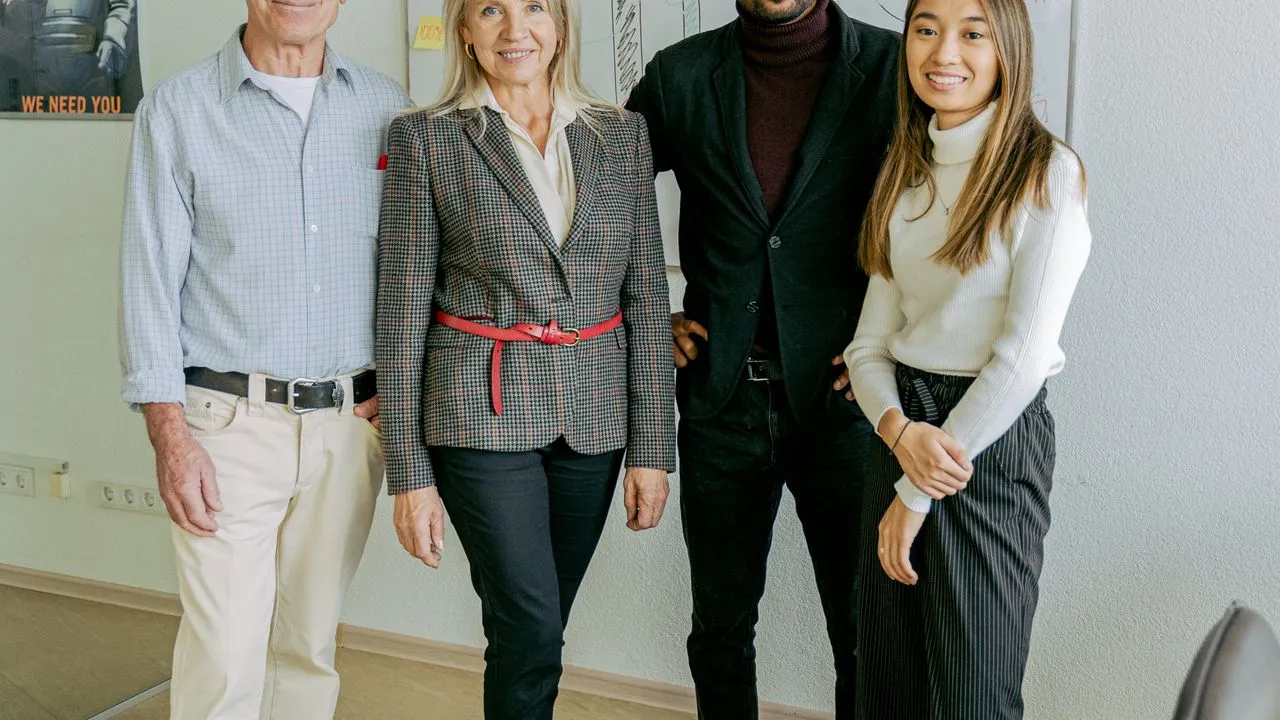
There is this moment in almost every company when someone tries out a tool, uploads a portrait, and then stares at the screen in disbelief. The result looks clean, evenly lit, calm background. And the first reaction is rarely enthusiasm. It is distrust. Too smooth, too made, somehow not real. This is exactly the point where opinions diverge, and exactly where an honest look at the whole thing pays off.
Because the question is fair. Is a generated business portrait a nice effect for the coffee break, or does it actually change how a team comes across to the outside world? Anyone who dismisses the technology as a mere gimmick is missing something. Anyone who celebrates it uncritically, by the way, is too.
Where the Distrust Comes From
The initial unease is understandable. For years we learned that a good portrait means craft, a photographer, a studio, real light. An image that comes into being without all of that feels at first like a cheat. As if you claimed to have cooked when you only operated the microwave.
But this skepticism overlooks something important. The classic studio portrait is nowhere near as real as you think either. There is flash, fill light, retouching, smoothing. A blemish disappears, a double chin is lit away, the eyes get a sparkle they never have in everyday life. We have simply grown used to it. So the question is not whether an image was edited. The question is whether it shows the person credibly.
And here it gets interesting. A good generated portrait often captures the person better than a rushed shoot where the photographer is already calling the next one after two minutes. Because the source image can be a relaxed selfie, taken in a moment without pressure. No stiff smile on command. No tense look into an unfamiliar lens.
The Real Advantage Is Not in the Single Image
Anyone who looks at just one portrait is measuring the wrong thing. The benefit only shows up across the team. Picture a company with forty people, spread over three locations, some working from home. For a consistent shoot you would have to bring all of these people to one place on one day. That practically never works. Someone is always missing. The colleague on maternity leave, the new working student, the field rep sitting with a client that day.
Everyone knows what follows. On the team page, images from five different years mix together, different backgrounds, different lighting, some cut out, some with an office wall behind them. That does not look like a team. It looks like a collection of individuals who happen to share the same domain.
This is exactly what a generated approach solves elegantly. Everyone sends a selfie, no matter where, no matter when. Out come portraits with the same look, the same background, the same feel. For the first time the team looks like a team. And that is not cosmetics. A consistent presence signals care, and care reads as trust. Whoever takes the way their own people appear seriously probably takes their work seriously too.
Where the Gimmick Becomes a Trap
Still, there is a limit, and you should know it. Not every generated image is a good image. When the skin gleams like polished plastic, when the teeth glow unnaturally white, when the eyes sit slightly off, the impression flips instantly. Trust turns into unease. The human eye is specialized in faces like nothing else, and it notices every little detail.
That is why the technology alone is never the argument. What matters is the result. A usable portrait must not give you the feeling of looking at a mask. It has to show the person, with their features, their expression, their character. A good test is simple. Show the image to a colleague without saying anything. If they recognize the person instantly and without hesitation, it works. If they have to think for a moment, better leave it.
A second pitfall is the temptation to want too much. Anyone trying to turn a tired selfie into a fashion model ends up with a stranger's face. The point is not to beautify someone who does not exist that way. The point is to capture the best realistic impression of a real person. The difference is subtle, but it decides everything.
What Counts in the End
Back to the original question. Gimmick or real advantage? The honest answer is that it depends on what you expect from it. If you want individual, striking works of art, hire a photographer and plan the day. If you want to make a whole team visible quickly, consistently, and without logistical strain, then a generated approach is no longer a gimmick. Then it is a tool that solves a real problem.
The technology will soon fade into the background anyway, as happens to every good technology. Nobody today still asks whether a photo was made digitally or on film. What counts is what you see. And when a modern, studio-free method shows a team consistently and credibly without costing weeks, then the debate about authenticity is essentially already settled. Not by the argument, but by the result.