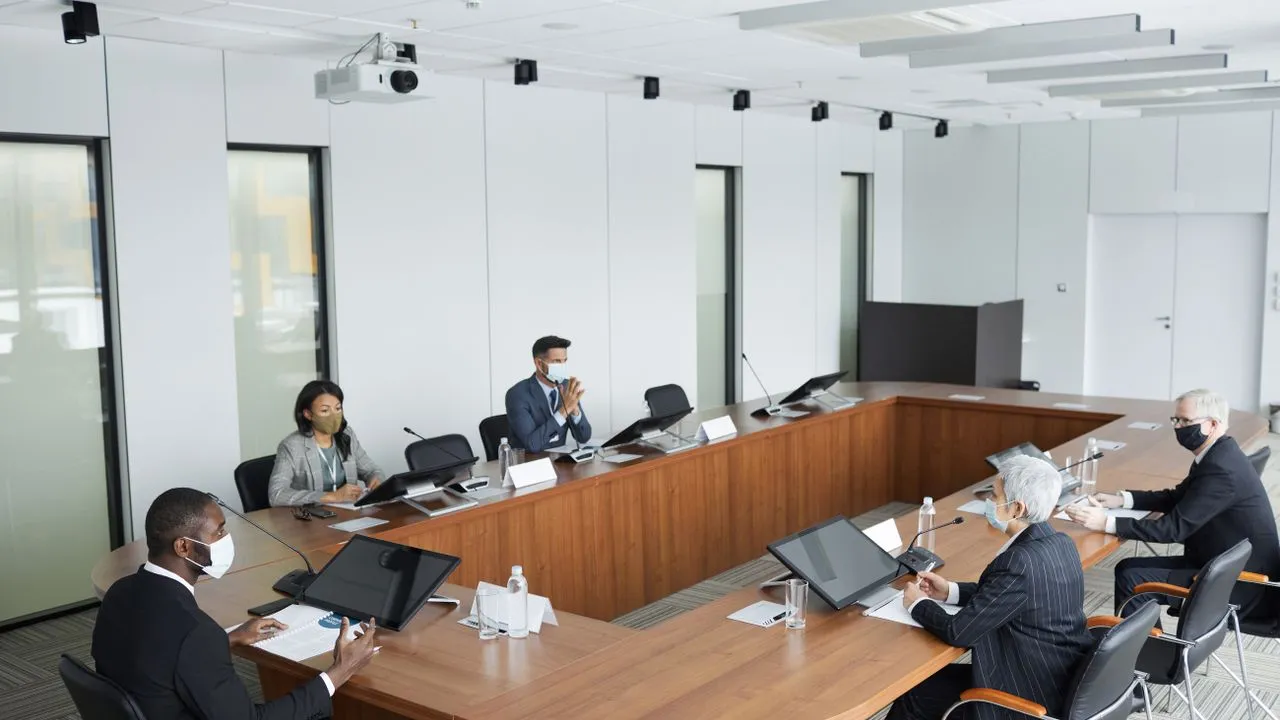
Software Companies: Your About Page Needs Real People
snaptosuit · 16 មិថុនា 2026
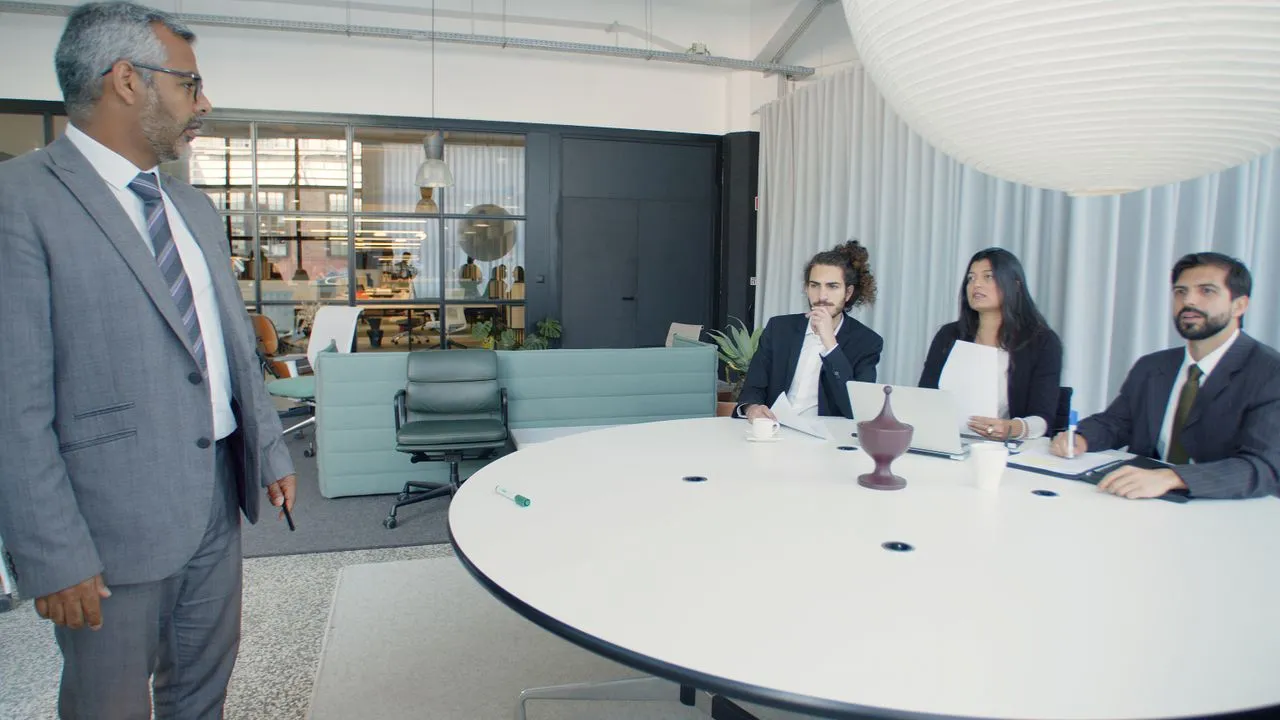
Your product page is perfect. Clear language, clean illustrations, a well-thought-out pricing model, maybe a slick animation showing how your software works. You spent weeks polishing it. And then there's this one page that looks like no one ever touched it. The About page. A few lines about the mission, a founding year, and if there's a team at all, then as a lifeless collection of gray placeholders and scraped-together selfies.
That's a contradiction people notice. Precisely because your product is so abstract, so much a matter of code and cloud and logic, the visitor looks for something tangible in one place. They look for the people behind it. And the About page is exactly where they want to find them. If all they find there is a blank, a question arises that you don't want. Who's actually behind this?
Software Is Invisible, Trust Needs Faces
Anyone who buys software buys something they can't touch. They can't hold it, can't check the build quality, can't inspect it on a shelf. They buy a promise. This tool will work, it will keep my data safe, it will still be here and maintained in two years. With such an invisible product, the buyer searches especially hard for anchors telling them they're making the right call. And one of the strongest anchors is people.
That's even more true in B2B than elsewhere. When a company adopts a piece of software, it commits for years. It migrates data, trains staff, builds processes on top of it. The decision-maker who makes that choice carries a risk. They want to know who they're getting involved with. Not just which feature set, but which people. An About page with real, professional faces turns an anonymous company into a group of individuals worth trusting. It lowers the perceived risk exactly where it's highest.
Think about the contrast. Two providers, same features, similar price. On one, the About page shows a team with clear, unified portraits, you see engineers, support people, founders, all with a face and a name. On the other, there's only a logo and a contact form. Which provider do you sooner trust with your company data? The answer comes from the gut, and it comes fast. Faces build trust that no feature comparison can replace.
Who Actually Visits Your About Page
It's worth asking honestly who even clicks through to the About page. It isn't the random visitors. It's the ones who already have interest and now want a closer look. The buyer vetting the company before a purchase decision. The engineer weighing whether to apply and wanting to know who she'd work with. The journalist looking for proof of legitimacy. The partner considering an integration.
In other words, the About page is visited by exactly the people standing just before an important decision. It isn't a pass-through page, it's a checkpoint. And what these people find there directly influences whether interest turns into a purchase, an application, or a partnership. It's remarkable how many software companies pour all their care into the product page and let this decisive page fall into neglect.
For recruiting in particular, that's an underrated lever. Good engineers are scarce and picky. Before a candidate applies, she looks at the team. If it comes across as inviting, if she sees people she'd enjoy working with, attraction forms. If she sees a patchwork of placeholders, she unconsciously thinks something isn't quite right here. In a market where you compete for every specialist, that quiet effect can tip the balance.
The Patchwork Gives Away Your Culture
Look at a typical team section of a software company, and you often see the same pattern. The founders have decent images, because they needed some for the pitch deck. A few engineers have selfies from their home office, others a cropped photo from a conference. Several are missing an image entirely, with only an avatar of initials on display. And because many software teams are distributed and work remotely, no one ever got everyone in front of a camera at once.
This patchwork tells the visitor something about your culture that you would never deliberately communicate. It says there are no shared standards here, everyone muddles along on their own, care isn't a top priority here. That's especially bitter, because your customers expect the exact opposite from your software, namely care, order, and reliability down to the detail. When even your own presentation is inconsistent, the viewer quietly transfers that doubt to the product.
The insidious part is that the individual images don't even have to be bad. It's the inconsistency that hurts. Twenty solid portraits in the same style look stronger and more credible together than five brilliant shots next to fifteen scraped-together snapshots. On an About page, it isn't the best single image that decides, but the overall impression. And the overall impression of a well-run software team should radiate calm and order, not randomness.
What a Good About Page Needs
The solution isn't rocket science, but it takes a decision. Treat the About page as what it is, namely proof of trust. That means, first, real faces instead of placeholders. Everyone on the team who is visible to the outside should have an image. It means consistency, so a shared style, similar light, a calm background, so the gallery works as a coherent whole. And it means being current, because in fast-growing software teams someone new joins all the time.
That very currency is the real challenge. You might hire someone every month, often remotely, spread across different cities or countries. The classic photo session that forces everyone into one place simply doesn't work for you. So the About page stayed incomplete for years at many companies, not out of negligence, but because there was no practical way to close the gap. The new colleague in another time zone waited months for an image that never came.
This is where the real progress lies. Modern, studio-free approaches solve the logistics problem that let the About page languish for so long. Everyone provides a simple selfie, wherever they sit, and from it comes a portrait that fits seamlessly into the shared visual language. The new hire in Lisbon matches the founder in Zurich. No session, no break between old and new. For an industry whose product you can't touch, the human About page isn't decoration. It's the place where abstract code becomes real trust.