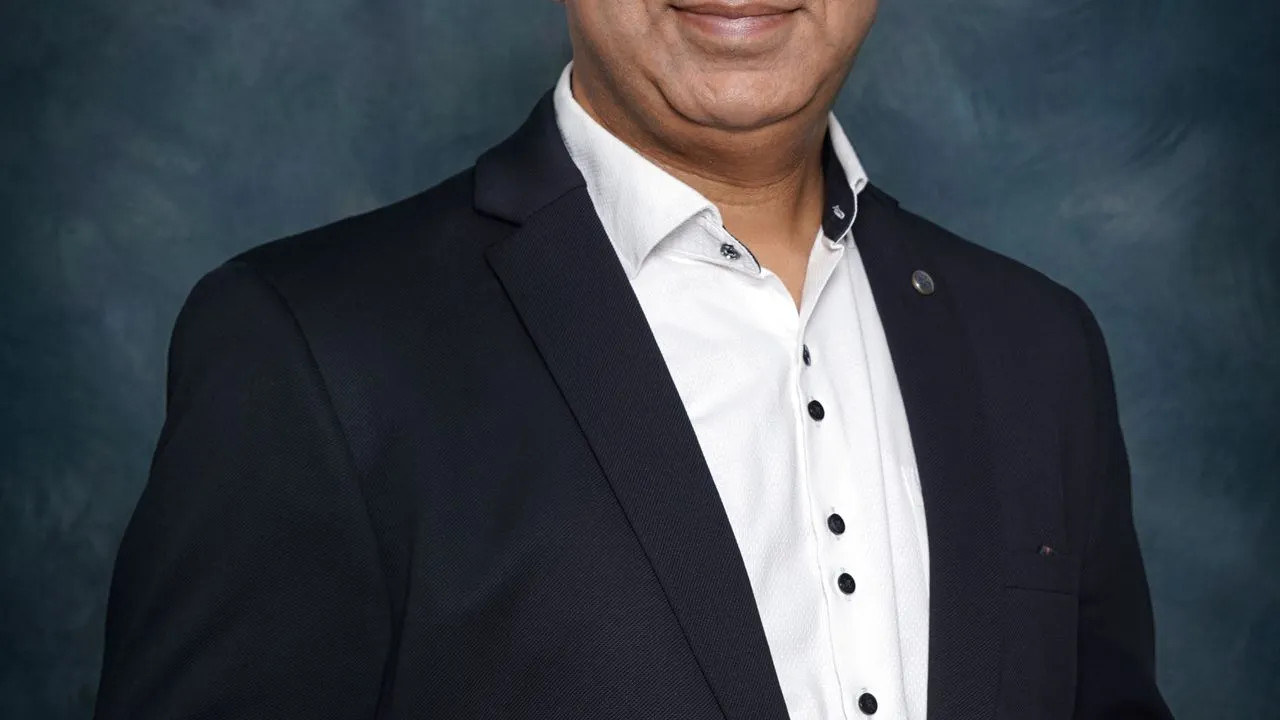
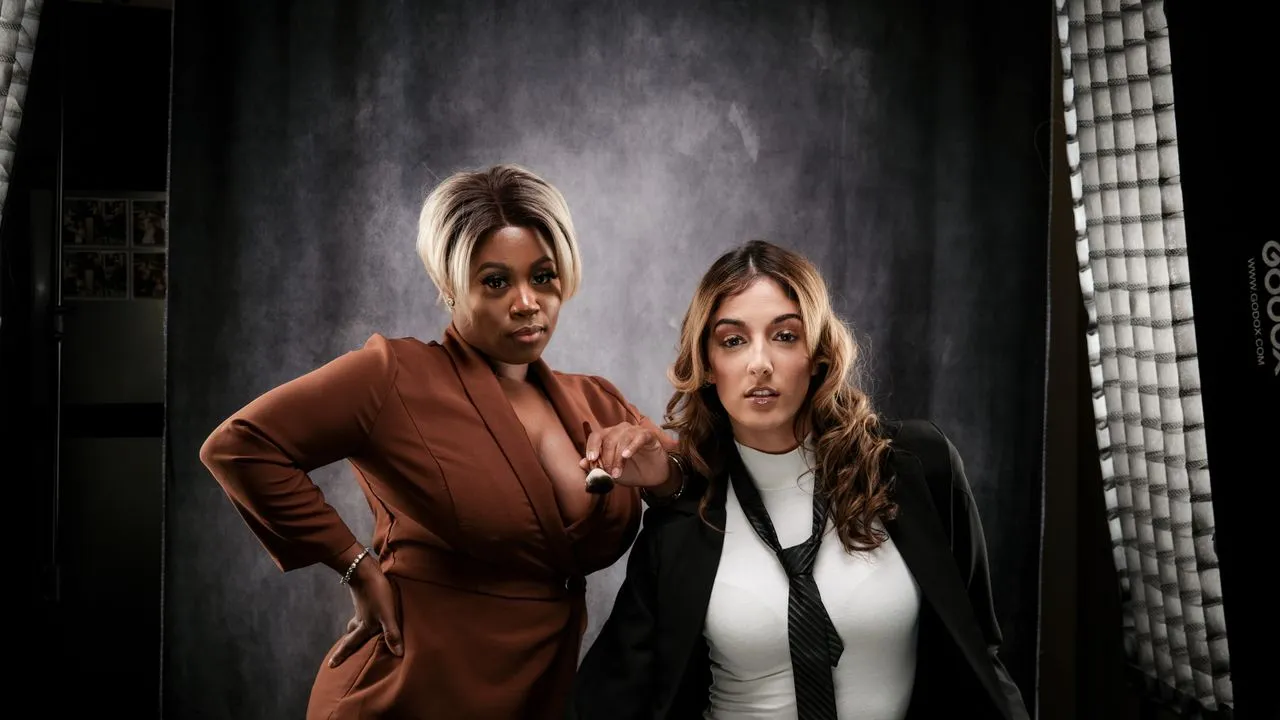
Professional Employee Photos Are a Fast Trust Booster
snaptosuit · 30 កក្កដា 2026
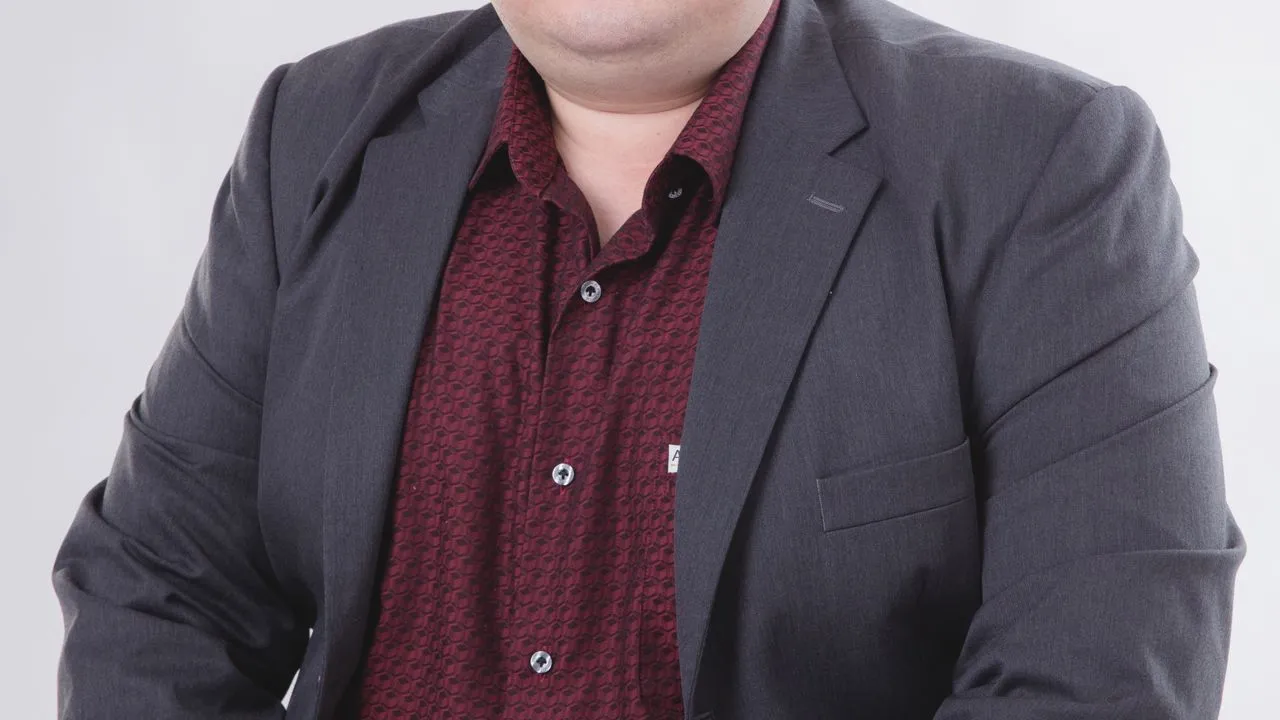
Trust is rarely built loudly. It forms in small moments, often in places you never marked as decisive. A portrait on a contact page is one such place. Someone is weighing whether to write to you. They see your face for a tenth of a second, and in that tenth of a second they make a preliminary decision they are not even aware of.
That sounds like an exaggeration, but it is well documented. From a face, people form a lightning-fast first impression of competence and trustworthiness. These first impressions are remarkably stable. They can be corrected later, sure. But they are the starting point, and a good starting point saves you an enormous amount of persuading.
Why a Face Works Faster Than Any Text
Think for a moment about how you yourself vet an unfamiliar company. You do not read the legal notice first. You scroll, you skim, you look for something human to hold on to. A face is exactly that anchor point. It answers a question older than any company. Am I dealing with real people here, or am I talking to a wall.
A professional portrait answers that question with a clear yes. There is a person looking at you, whose eyes are open, whose posture seems calm. A bad photo unfortunately answers the same question too, just differently. A shadowed face, a cropped head, a gaze that drifts somewhere past the camera. That creates no anchor point. It creates a small doubt. And doubts have a cost.
Competence Is Visible, Whether You Like It or Not
There is an uncomfortable thought every team should face. Your photo says nothing about your actual ability. But it says a great deal about how capable you appear. And in a first contact, appearance is what counts, because the proof of your ability comes only later.
Take two consultants with identical training, identical experience, identical fees. One has a portrait with clear light, a calm background, an alert gaze. The other has a dark snapshot, half cropped, with red-eye from the flash. Who does the prospect write to first? You know the answer. And it is unfair to the second person, who may well be the better consultant. But she built that unfairness partly herself, because she did not take the signal seriously.
That is exactly why a good portrait is not vanity. It is an investment in the fair chance of being heard at all.
The Difference Between Real and Airbrushed
Now there is an objection I take very seriously. People distrust the overly smooth. A portrait that looks like it came from a catalog, where every pore is retouched and every feature corrected, tips into the opposite. It no longer reads as trustworthy, it reads as artificial. And artificiality is poison for trust.
The good professional portrait is therefore not the most perfect one. It is the most honest one in its best version. You on a good day, well lit, relaxed, but unmistakably you. With your laugh lines, your hairstyle, your gaze. The art lies not in removing, but in revealing. A good photo takes nothing away, it only clears the distracting circumstances aside and lets the person become visible.
If you can tell your own photos have been airbrushed, others can too. So the standard is not flawless. It is credible and alert.
What This Concretely Means for You
You do not have to plan a campaign or book a photographer for a full day to capture this trust advantage. You only have to stop treating the portrait as an afterthought. It is often the first handshake a person has with you, long before a real handshake is possible.
Start with the roles that have the most first contact. Sales, consulting, anything with direct customer interaction. That is where a strong portrait pays off fastest, because that is where people look most often. After that, you bring the rest along, so the presence stays cohesive.
The path there is far easier today than it used to be. Studio-free, modern solutions turn even a selfie into clean, consistent portrait quality, without anyone having to block an appointment or travel to an unfamiliar studio. What matters is the goal behind it. An image that, in the half second where it counts, says the right thing. Here sits a person you can trust.