Media Requests Need Business Portraits You Can Send Fast
snaptosuit · 4 សីហា 2026
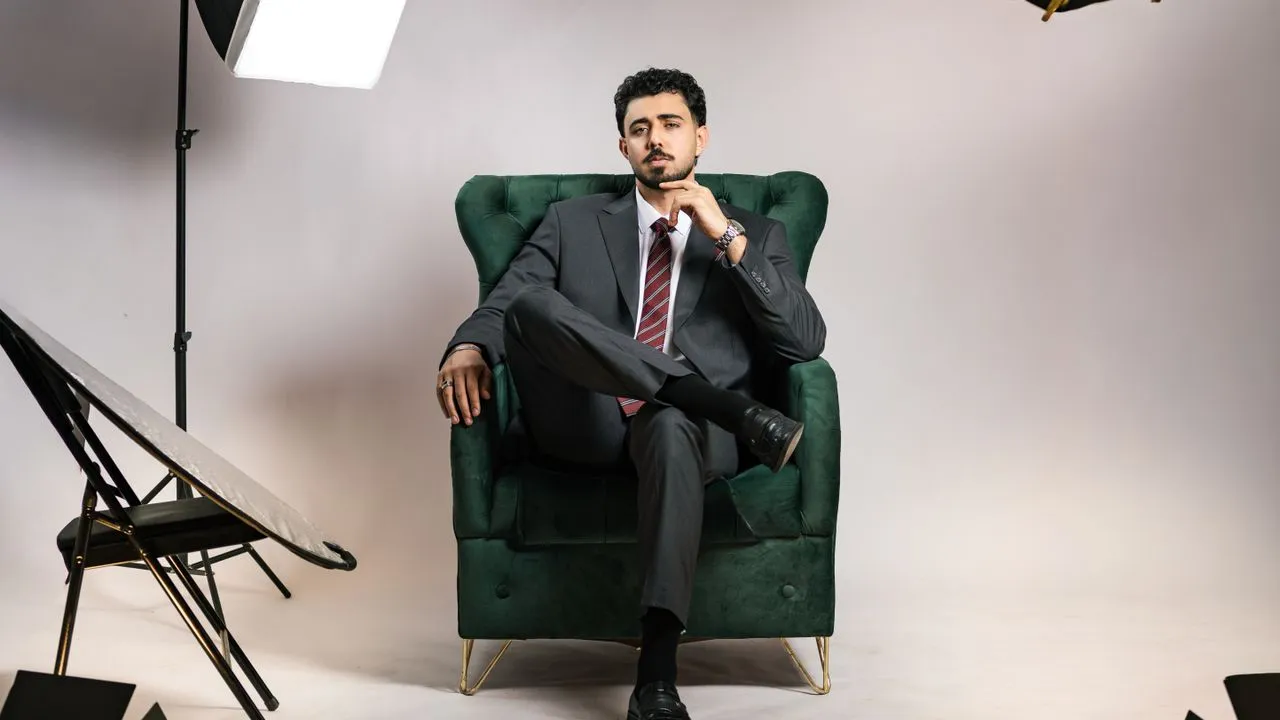
There is one call every company secretly hopes for and hardly any of them is ready for. A newsroom gets in touch, wants to quote you, put you in the picture, report on you. A gift, because that kind of attention is rarely something you can buy. But then comes the sentence that decides between success and failure. Can you send us a photo quickly. And quickly, in newsroom language, often means not tomorrow but within the next hour.
In that moment it is decided whether you become part of the story or stay a footnote. If you have a good, current business portrait ready to hand, it goes out immediately and lands in the piece. If you first have to search, ask around, apologize for an old photo or even float the idea of a shoot, the train has usually already left. The newsroom works to its own rhythm, not to yours. Anyone who cannot keep that rhythm loses the spot to someone who delivers faster.
A different clock runs in the newsroom
To grasp the force of this, you have to know how newsrooms work. A constant rhythm of deadlines rules there. A piece has a fixed slot or editorial deadline, and everything has to be done by then, text and image. If the image is missing, the piece does not get prettier, it gets built without you. An editor who needs a photo at two in the afternoon and has none at two does not wait until evening. They take an alternative or leave your face out entirely. The clock is running, and it is not running for you.
That is the real insight. In media requests, quality competes with speed, and speed often wins. A perfect portrait you can only deliver in three days is worthless when the deadline is today. A solid, instantly available image, by contrast, makes it into the piece. Availability beats perfection the moment time gets tight. Once you understand that, you stop thinking about business portraits as only the best image, and start thinking above all about the one you can reach fast.
The missed chance rarely comes back
What is bitter about a missed media request is how final it is. A piece runs once, for a specific occasion, in a specific window. If it ran without you, there is no submitting the photo after the fact. The coverage moves on, the topic cools off, the opportunity is spent. You can be faster next time, but this one window stays shut. And nobody knows when the next one opens, or whether it opens at all.
I remember a company that got asked about an industry-relevant topic, precisely their specialty. The newsroom wanted an image of the expert who was to be quoted. There was only an old, blurry photo, and a better one could not be found in time. In the end the piece ran with the quote but without an image, and the competitor, who had sent a clean portrait right away, got the visual stage right next to it. The expertise sat with the first company. The visibility went to the second. The difference was not knowledge, it was a photo that happened to be ready.
Preparation beats reaction
The good news is that this problem is fully solvable, and beforehand, not in the moment of the request. Whoever waits until the newsroom calls has already lost, because by then there is no time left for quality. Whoever prepares, on the other hand, can deliver in seconds and stay calm. Preparation means keeping a set of current, professional business portraits of the relevant people ready, in a place everyone knows and can find instantly when it counts.
That takes more than the image itself. It needs the right formats, resolution high enough for print and web, a clear filing system and a clear owner, so that in the hectic moment nobody first has to work out who has which photo where. This preparation feels unspectacular, almost dull. But it is the difference between a media request handled with ease and a chance let slip. The work sits in the before, so the after happens effortlessly.
It is not only the top that needs an image ready
A common mistake is to think only of the very top of the leadership. But media often ask for exactly the person who fits the topic, and that is not always the CEO. Sometimes it is the expert in a particular field, sometimes the lead of a specific project, sometimes someone from the second row who happens to be the right contact. If good images exist only for the top figures, a request about anyone else leaves you empty-handed again.
It makes more sense to cover all potentially public faces, meaning everyone who could serve as a subject-matter voice. That sounds like a lot, but it is manageable once you approach it systematically. The payoff is calm. No matter who the newsroom asks for, a fitting, current portrait is ready. This breadth separates companies that take media work seriously from those that break into a sweat with every request. Visibility becomes plannable instead of depending on chance.
How to be ready for the next call
The first step is an honest question to yourself. If a newsroom wanted an image of your most important subject-matter voices right now, this hour, could you deliver immediately. For whom would the answer be yes, for whom would you have to pass or send an embarrassingly old photo. This inventory lays bare, without mercy, where you are vulnerable. Every person without a current, ready-to-hand portrait is a potentially missed chance just waiting to happen.
The second step is to close the gaps without it turning into a logistical operation. That is exactly where good media preparation used to fail almost every time. Organizing a shoot for every relevant person was so cumbersome that it got pushed off until the request came and it was too late. Today you can turn plain selfies into coherent, professional and uniform business portraits without a studio day, so you can even equip a broad lineup of subject-matter voices with usable images quickly. The hurdle that used to catch you unprepared falls away.
In the end it comes down to a simple truth about attention. The media grants you visibility, but only on their terms and at their pace. Whoever has a good image ready at the decisive moment turns a request into presence. Whoever has to search hands it to someone who was faster. Business portraits you can send fast are therefore not a filing chore. They are your ticket into stories that others tell about you, and that ticket has to be within reach before the phone rings.