Press Pages Look More Professional With Clean Leadership Photos
snaptosuit · 2026年8月4日

There is one place on your website you rarely visit, yet it decides how you look in public. It is your press page. That is where the images sit that newsrooms download when they cover you. And whatever sits there ends up in newspapers, trade magazines, online portals and presentations. Your press page is the image source the world draws from when it shows you. Even so, many companies treat it like a forgotten storage closet.
That neglect comes back to bite you in a moment you do not control. A journalist is working against the clock on an article about your industry and needs a photo of your leadership. There is no time to call you and wait for a better shot. They take whatever is on the press page. If the image is dark, outdated or badly cropped, that is exactly the image that runs next to your name the next morning. You did not choose it. You just let it happen.
The journalist takes whatever is there
It helps to see this through a newsroom's eyes. Time is chronically short. An article has to ship, the image is a side task in the workflow but non-negotiable for publication. The easiest path wins, and the easiest path is the image that is already within reach. Nobody hunts for the best portrait of your CEO when the press page already holds one that more or less works. That is exactly why the quality of that ready image matters so much. It is the path of least resistance, and almost everyone takes it.
From this follows an uncomfortable truth. You control your public image exactly as far as you tend to your press page, and not one step further. Whatever sits there defines how you appear in other people's publications. A weak photo stops being an internal matter the moment it can be downloaded. It becomes the face of your company in contexts you never see until the article is already out.
Leadership photos carry more weight than any other image
Within the press page, leadership portraits hold a special position. They stand in for the whole company. When a firm gets coverage, the story rarely shows the workforce, it shows the face at the top. That single portrait shapes how readers file the company away. If the person looks confident, clear and approachable, that rubs off on the whole business. If they look stiff, dated or carelessly shot, that rubs off too. A leadership portrait is never just a picture of a person. It is a picture of the organization.
I have seen a case where a mid-sized company showed up in the press for years with the same, visibly dated image of its managing director. Every photo the same grainy crop, apparently snapped somewhere once and never replaced. It made the firm look slightly out of step in every piece of coverage. When they finally uploaded clean, current leadership portraits to the press page, the public impression shifted almost on its own. Same firm, same people, but suddenly more modern and more present in every article. The image had been steering the perception all along.
What makes a clean press portrait
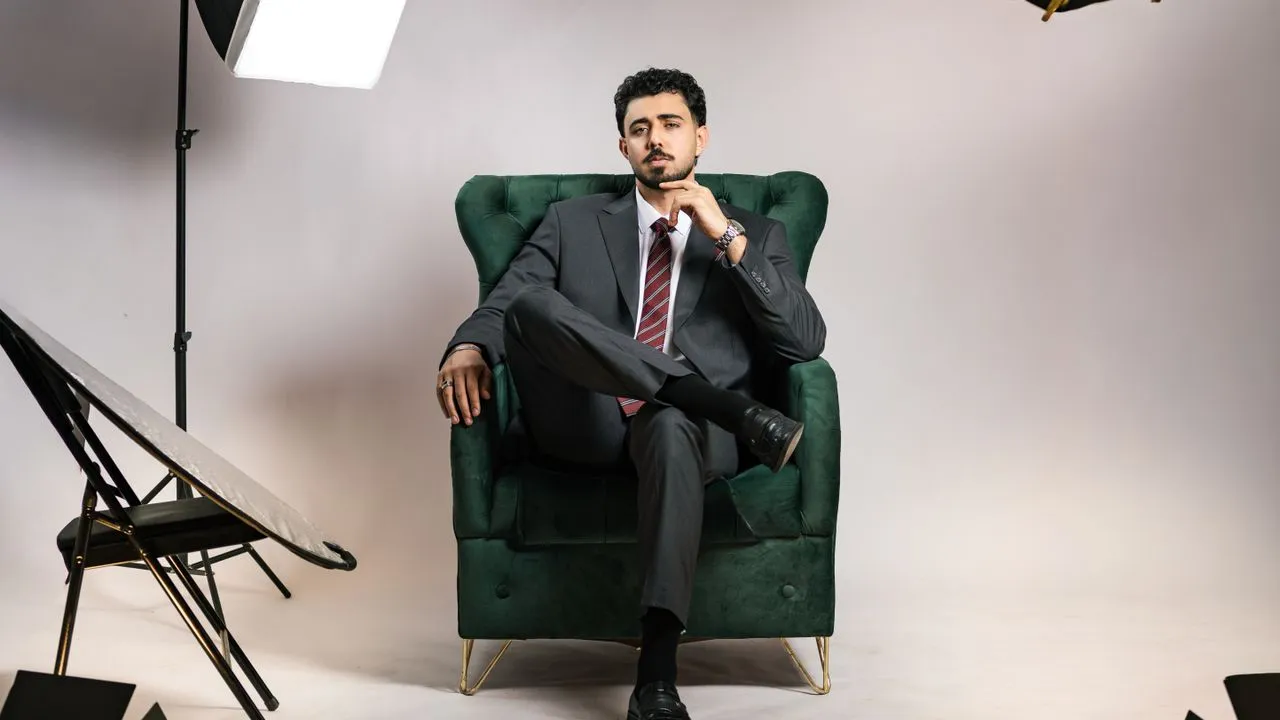
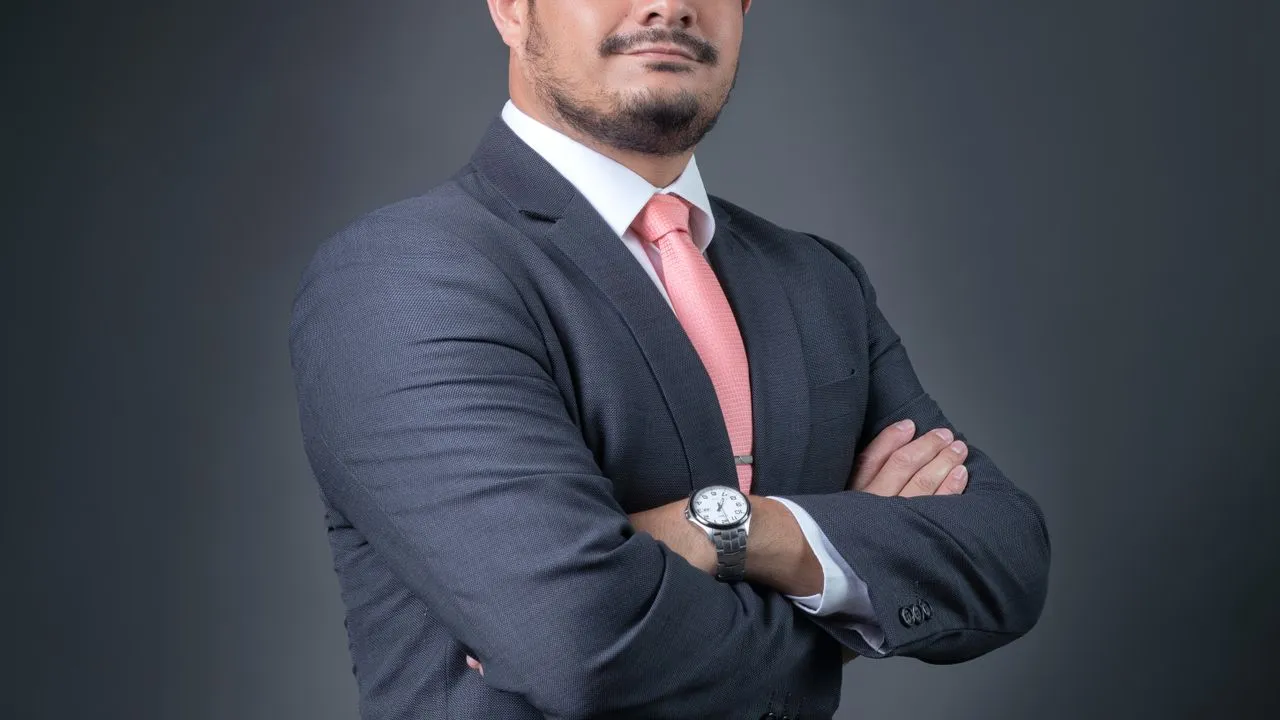
A good leadership portrait for the press page has to be two things at once. It has to look professional and it has to be technically usable. Professional means calm, even light, an alert and approachable expression, a crop with room and posture, a background that does not distract. Technically usable means resolution high enough to stay sharp in print, and a clean frame without distracting elements at the edges. The two together make a newsroom happy to use the image, rather than using it reluctantly or discarding it altogether.
An often underrated point is consistency across the leadership team. When a company gets covered and several faces appear, they should show up in a shared visual language. A board member in a high-end studio shot next to a colleague in a dim selfie looks random and unprofessional. A uniform look across all leadership portraits, by contrast, signals an organization that presents itself as a whole and cares about how it shows up. That coherence pays into the brand in every piece of coverage.
Your press page is your quiet business card to the media
Many people think of advertising and social media when they think of public image, and they overlook that the press is often the more credible stage. An editorial article feels more objective than any ad, precisely because you did not buy it. That makes it all the more important that the imagery accompanying that article shows you at your best. Your press page is a quiet but powerful business card that you hand to the media. You decide what it says, but only if you shape it deliberately.
It is worth looking at your press page once through the eyes of a hurried journalist. Do they quickly find what they are after. Are the images clearly named, current and stored in good quality. Is there a clean portrait for every leader that they can use without hesitation. Every point of friction here raises the odds that they fall back on a worse image from another source, or skip the image entirely. A frictionless press page is therefore active management of your public face.
How to get your press page into shape
The first step is an honest look at what you have. Open your press page and check every leadership portrait for currency, quality and consistency. Does it show the person as they look today. Is the resolution high enough for print. Does it match the images of the other leaders. Anything that does not clearly answer these questions with a yes is quietly working against you in every publication and needs replacing. Set up a routine, too, so the page does not freeze over for years again.
The second step is to actually provide good, uniform leadership portraits without needing a full-blown photo shoot every time. That is exactly where press-page upkeep used to fail. Organizing a studio session for the leadership team costs time and coordination, so the old image simply stayed put. Today you can turn plain selfies into coherent, uniform and high-resolution portraits without a studio day, so the press page stays current quickly and with little effort. The hurdle that let the images age falls away.
In the end the idea is simple. You cannot control when a journalist writes about you, but you can control which image lands in their hands when they do. A clean press page with strong leadership portraits makes sure you look, in other people's publications, the way you want to be seen. Take this unremarkable place seriously and you stop leaving your public face to chance. You help shape it, quietly but effectively, every single time the media reaches for an image.